


13 Aug The dangers of grass seeds

The tiny summer hazard every pet owner should be aware of
They’re tiny, easy to overlook and found almost everywhere in summer. But for pets grass seeds can cause much bigger problems than you might expect.
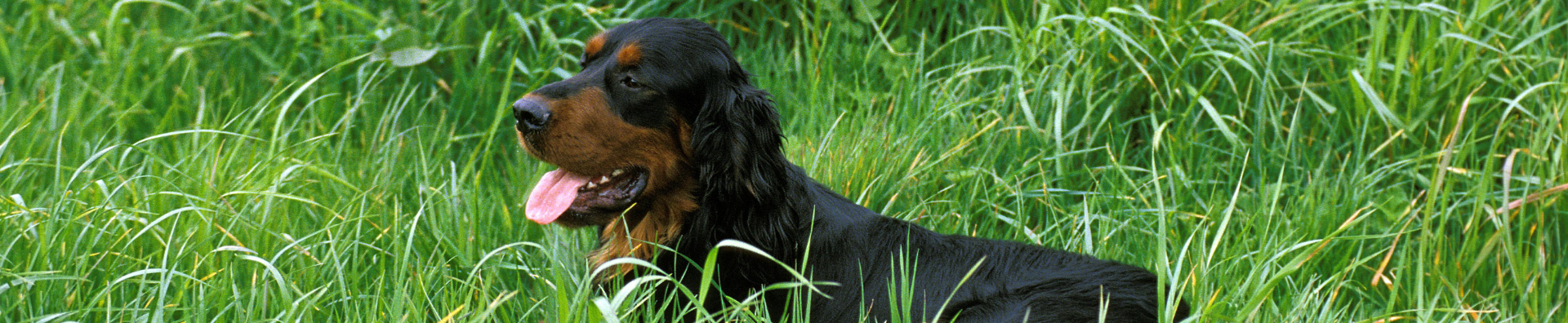
There’s something wonderfully familiar about a dog charging through a meadow on a summer’s day, ears flying and tail wagging. But hidden among those long grasses can be a surprisingly nasty hazard – the humble grass seed.
Grass seeds are not poisonous. The problem is their shape. Some have sharp, barbed ends that are particularly good at catching in fur and then working their way forwards into the skin, ears, eyes, nose or other parts of the body. Once embedded, they can cause painful inflammation, infection and abscesses. In more serious cases they may require sedation, advanced imaging or surgery to find and remove them.
For one of our colleagues at 4Paws, this became a very real experience when their dog became seriously unwell after inhaling grass seeds and ultimately needed surgery. It’s a powerful reminder that something as ordinary as a walk through long grass can occasionally have very serious consequences.
Here’s what every pet owner should know.
Why are grass seeds so troublesome?
A grass seed is designed by nature to travel.
The sharp tip and tiny backward facing structures on some seeds allow them to catch onto an animal’s coat. As the animal moves, the seed can work its way deeper rather than simply falling out. Once it has pierced the skin, it can migrate through tissue and become surprisingly difficult to locate. This can turn a seemingly minor problem into something far worse.
On most pets, grass seeds are commonly found in:
- ears
- between the toes
- paws
- eyes and underneath eyelids
- noses
- armpits
- long or thick coats
- areas of irritated or broken skin
In some cases, a seed can travel further into the body, causing inflammation, infection or an abscess. Grass seeds can also be difficult to see on X-rays, which can make finding them particularly challenging if you do have to seek medical advice.
The biggest risk is to our K9 companions. Dogs are particularly prone to issues with grass seeds because many love nothing more than charging through long grass, fields and woodland. Dogs with longer hair around their feet and ears can be especially vulnerable because seeds have more opportunity to become trapped in the coat.
What should you look out for?
The symptoms depend on where the seed has gone.
In the ear:
- sudden or persistent head shaking
- scratching at one ear
- rubbing the ear against furniture or the floor
- obvious discomfort when the ear is touched
In the paw:
- persistent licking or chewing
- limping
- redness
- swelling between the toes
- a sore or lump that doesn’t seem to heal
In the eye:
- watering
- redness
- discharge
- squinting or keeping the eye closed
- pawing at the face
In the nose:
- sudden, repeated or violent sneezing
- nasal discharge
- pawing at the nose
And then there are the signs that can be much less obvious.
If a grass seed has travelled further into the body, a dog may simply seem unwell, tired or off their food, or develop recurring signs of infection.
What about inhaled grass seeds?
This is one of the more serious possibilities.
A grass seed can enter through the nose or mouth and, in some circumstances, become lodged in the respiratory tract. A sudden cough following a walk – particularly if it is persistent or accompanied by breathing difficulties – shouldn’t simply be assumed to be an ordinary cough. Grass seeds could be involved.
If your dog is struggling to breathe, breathing unusually quickly or noisily, has pale gums, collapses or appears to have something stuck in their airway, seek emergency veterinary attention immediately.
Cats aren’t immune
Grass seed problems are talked about much more often in dogs, but cats can be affected too.
Outdoor cats can pick up seeds on their coats or paws, particularly if they explore long grass. Grass seeds can become lodged in a cat’s ears, eyes, nose, paws or skin and may even be inhaled.
The signs can be subtle, particularly in cats.
Keep an eye out for:
- increased paw licking
- swelling around a paw
- persistent scratching at an ear
- head shaking
- redness
- discharge from the eyes or nose
- sneezing
- a visible seed
- a sore or swollen area on the skin
Cats are expert groomers, but that doesn’t mean they’ll always remove every seed safely. If something looks embedded, or your cat is showing signs of pain or illness, speak to your vet.
And what about rabbits?
Rabbits are less commonly associated with grass seed injuries than dogs and cats, and there is much less veterinary guidance specifically linking rabbits with serious grass-seed problems. But that doesn’t mean they’re completely risk free.
Rabbits can still get plant material caught in their fur, eyes or skin, so regular checks are sensible, particularly for outdoor rabbits and those living in areas with long, seeding grasses. More importantly, rabbits are very good at hiding illness. A small change in behaviour or appetite can be significant.
If a rabbit develops a swelling, wounds, eye problems or appears uncomfortable, contact your vet promptly rather than assuming it will clear up by itself.
And remember that grass itself is an important part of a rabbit’s diet. The message isn’t to keep rabbits away from grass; it’s to make sure their environment is clean, appropriate and free from obvious hazards.
The best treatment is prevention
You don’t have to give up countryside walks to avoid grass seeds. A few simple habits can dramatically reduce the chance of a problem developing.
1. Give your pet a post-walk check
This is probably the single most useful thing you can do. After walks through long or dry grass, run your hands over your dog’s coat and check:
ears → eyes → paws → between the toes → armpits → belly → tail and groin
Don’t forget underneath the collar or harness.
If you find a loose seed caught in the fur and it hasn’t embedded itself, remove it promptly.
2. Pay particular attention to paws and ears
These are common trouble spots. Long haired dogs can benefit from sensible grooming around their feet and ears, reducing the amount of fur in which seeds can become trapped.
3. Think about where you walk
You don’t need to avoid every blade of grass. But when grass is long, dry and full of mature seed heads, consider choosing shorter grass or maintained paths where practical.
4. Don’t ignore a small swelling
A tiny lump between the toes might look insignificant. So might a little sore on the skin. But if your dog keeps licking it, if it becomes swollen, or if it doesn’t settle, it’s worth seeking advice.
5. Don’t try to play detective with an embedded seed
This is an important one. If a seed is clearly embedded in the skin, or you suspect one is in an ear, eye, nose or elsewhere inside your pet, contact your vet.
Trying to dig around for it can cause additional trauma and may push the problem further. Treatment can range from straightforward removal to sedation or more advanced investigation, depending on where the seed has gone.
Grass seeds are a good example of one of those pet hazards that is easy to underestimate.
They’re small. They’re everywhere. And initially, your pet may look completely fine. But once a sharp seed gets beneath the skin or into a sensitive part of the body, the situation can change quickly. Some cases can be dealt with relatively easily; others can become complicated, painful and expensive to diagnose and treat.
So next time your dog comes home from a glorious summer walk covered in grass, take a few minutes before settling down for the evening. Check the ears. Check the paws. Check between the toes. Run your hands through the coat. It could be the most worthwhile five minutes of the day.
We know that pets have a habit of finding adventure (and sometimes trouble) wherever they go. Knowing the risks, spotting the early warning signs and getting advice promptly can make all the difference.
This article is intended as general pet-health information and isn’t a substitute for advice from your vet. If you’re concerned about your pet, contact your veterinary practice.