


02 Oct Autumn Safety for Your Dog
Our guide to keep tails wagging this autumn
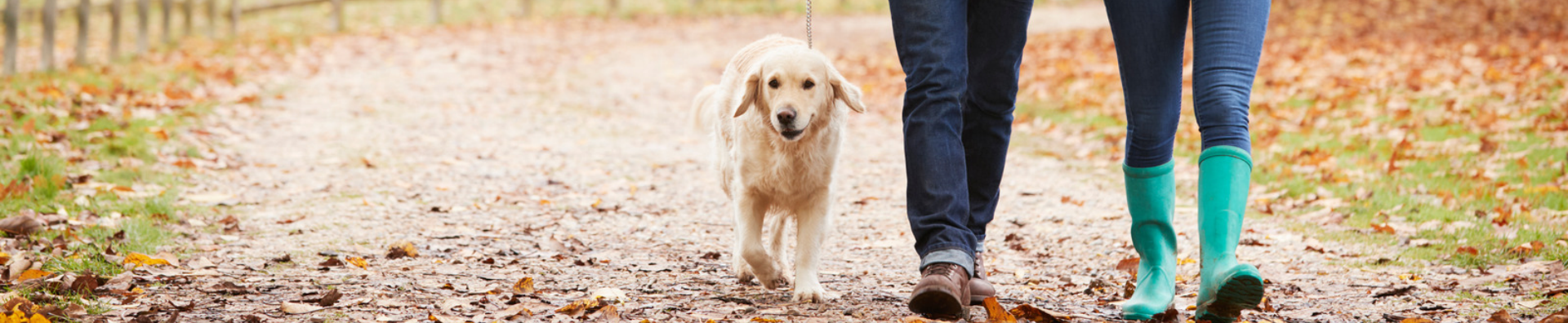
There’s something special about autumn. Crisp mornings, crunchy leaves, muddy adventures and cooler temperatures make it a brilliant time to get outside with your dog.
But while autumn might be one of the most enjoyable seasons for walkies, it also brings a few hidden dangers for dogs. From tempting acorns and conkers to poisonous mushrooms, darker evenings and Halloween treats, there are plenty of things for dog owners to keep an eye on.
The good news? A little extra awareness can go a long way towards keeping your four-legged friend safe.
Here are some of the biggest autumn hazards for dogs, and what you can do to avoid them.
1. Acorns can be dangerous for dogs
Autumn walks and acorns go hand in hand. Unfortunately, the same can’t be said for acorns and dogs.
Acorns contain compounds that can be toxic to dogs if eaten and may cause symptoms including vomiting, diarrhoea, lethargy and abdominal pain. Eating them can also create a risk of an intestinal blockage.
This is particularly important if you have a dog who likes to investigate the world with their mouth.
What can you do?
Keep an eye on your dog around oak trees and discourage them from picking up or chewing acorns. If your dog regularly scavenges on walks, practising a reliable “leave it” command can be incredibly useful.
If you think your dog has eaten acorns, contact your vet for advice rather than waiting for symptoms to appear.
2. Watch out for conkers
They may be an autumn staple for children, but conkers can be hazardous to dogs.
Conkers contain aesculin and can cause problems if eaten, including drooling, vomiting, diarrhoea and abdominal pain. They can also cause an intestinal blockage if swallowed.
Those shiny brown seeds can be particularly tempting to playful dogs, so keep a close eye on your pet when walking beneath horse chestnut trees.
Remember to never encourage your dog to play with conkers, even if they seem like a fun alternative to a ball.
3. Don’t let your dog eat mushrooms or fungi
Damp autumn weather means mushrooms and other fungi can appear in woodland, parks and gardens.
The problem is that it can be extremely difficult to tell which mushrooms are safe and which are poisonous. Some fungi can cause vomiting and diarrhoea, while others can lead to much more serious problems, including seizures, abnormal heart rhythms and organ failure.
The safest approach is simple. Don’t let your dog eat wild mushrooms or fungi.
4. Be careful around fallen leaves
A pile of crunchy autumn leaves looks like the perfect place for a dog to dive, roll and sniff – and there’s no reason your dog can’t enjoy them.
However, don’t let your dog eat large quantities of fallen leaves, particularly if they’re damp, mouldy or decomposing. Decomposing organic material can contain harmful mycotoxins, and leaves can also hide other hazards such as sharp sticks, litter and fungi.
After a particularly enthusiastic leaf dive, give your dog a quick check before heading home.
5. Keep an eye out for rotten fruit
Autumn brings an abundance of fallen fruit, particularly in gardens, orchards and parks.
While a dropped apple might seem harmless, fruit that’s been left on the ground can ferment and potentially contain alcohol. Fallen fruit can also cause digestive problems or become a choking or obstruction hazard.
If your dog is a keen scavenger, steer them away from piles of fallen or rotting fruit. And remember that grapes and raisins should never be given to dogs, as they can be toxic.
6. Autumn bulbs and plants can pose a risk
Autumn is a popular time for planting bulbs and preparing gardens for the colder months. But several plants found in gardens and outdoor spaces can be harmful to dogs.
Here’s a list of some examples of plants that can be harmful:
- Autumn crocus
- Horse chestnut
- Oak
- Yew
- Ivy
- Holly
- Hydrangea
- Chrysanthemums
- Some berries and other ornamental plants
If you’re planning some autumn gardening, check that new plants are safe for dogs before bringing them home.
7. Antifreeze: a serious autumn and winter danger
As temperatures begin to drop, antifreeze becomes an increasingly important hazard for dog owners to be aware of.
Antifreeze products can contain ethylene glycol, which is extremely toxic to dogs. Even relatively small amounts can cause severe kidney damage and poisoning can be fatal without quick treatment.
Spills around cars, garages, driveways and roads can be particularly dangerous because ethylene glycol has a sweet taste that can attract animals.
Keep antifreeze and other automotive fluids securely stored, clean up spills immediately and never leave containers where your dog can reach them.
If you think your dog has come into contact with antifreeze, contact your vet immediately, don’t wait for symptoms to develop.
8. Halloween treats belong well away from dogs
For many families, autumn means Halloween. And that means sweets, chocolate and plenty of excitement.
Unfortunately, Halloween treats can be dangerous for dogs.
Chocolate contains theobromine, which is toxic to dogs. Some sweets and sugar-free products can also contain xylitol, an artificial sweetener that is highly dangerous to dogs.
Keep chocolate, sweets and Halloween treats securely out of reach. Don’t leave bowls of treats on low tables where a determined dog can help themselves.
It’s also worth reminding children that sharing their Halloween haul with the family dog isn’t a good idea.
9. Fireworks can frighten even confident dogs
Autumn and fireworks often go together, and the sudden bangs and flashes can be frightening for dogs.
Some dogs may pace, pant, hide, bark, tremble or try to escape when fireworks start.
Preparation can make the experience easier.
Before fireworks are expected:
- Give your dog their main walk earlier in the day.
- Keep dogs indoors once fireworks begin.
- Close curtains and windows to reduce flashes and noise.
- Create a comfortable, quiet safe space where your dog can retreat.
- Put on music or the television to help mask sudden noises.
- Make sure your dog’s microchip and contact details are up to date.
- Never force your dog out of their hiding place if they’re frightened.
We’ve written a full blog on how to keep pets calm around fireworks which you might find interesting.
10. Shorter days mean darker dog walks
One of the biggest practical changes in autumn is the reduction in daylight. That evening walk that was still bright in August can suddenly become a pitch-black stroll by October.
Being visible is important for both you and your dog. Consider using reflective or high-visibility accessories, particularly if you walk near roads, and take a torch with you.
It’s also worth checking your dog’s collar or harness regularly to make sure their identification details are still secure and readable.
11. Don’t forget your dog’s paws after muddy walks
Autumn walks can mean puddles, mud, wet grass and plenty of debris.
When you get home, give your dog’s paws a quick check. Look between their pads for stones, sticks, thorns or other debris, and wipe muddy paws clean.
It’s also a good idea to check their coat after walks, particularly if they’ve been running through long grass or woodland.
A quick post-walk inspection can help you spot small problems before they become bigger ones.
12. Autumn parasites are still a concern
Cooler weather doesn’t necessarily mean parasites disappear.
Fleas can continue to thrive indoors once homes are heated, while certain outdoor parasites can still be encountered on autumn walks.
Speak to your vet about the most appropriate parasite prevention programme for your dog and your local area.
An autumn safety checklist for dog owners
Before heading out for your next autumn adventure, run through this quick checklist:
On walks –
- Keep your dog away from acorns and conkers.
- Don’t allow them to eat mushrooms or fungi.
- Watch out for rotten fruit.
- Avoid stagnant water.
- Check their paws and coat after muddy walks.
- Take a torch on darker walks.
- Consider reflective or high-vis gear.
At home –
- Store antifreeze and automotive fluids securely.
- Keep Halloween chocolate and sweets out of reach.
- Check your garden for poisonous plants and bulbs.
- Don’t leave fallen or rotting fruit where your dog can eat it.
- Keep potentially dangerous garden products safely stored.
- Prepare a quiet space before fireworks season begins.
Autumn shouldn’t be a season of worry. In fact, with cooler temperatures and plenty of new sights and smells, it can be one of the best times of year to enjoy adventures with your dog.
The key is knowing what to look out for. From acorns and conkers to mushrooms, antifreeze, Halloween chocolate and fireworks, a little preparation can help you avoid some of the season’s common hazards.
So grab the lead, pull on your wellies and enjoy those crisp autumn walks. Just keep an eye on what your dog is sniffing, chewing and drinking along the way.
Autumn is even better when you and your four-legged friend can enjoy it safely.