


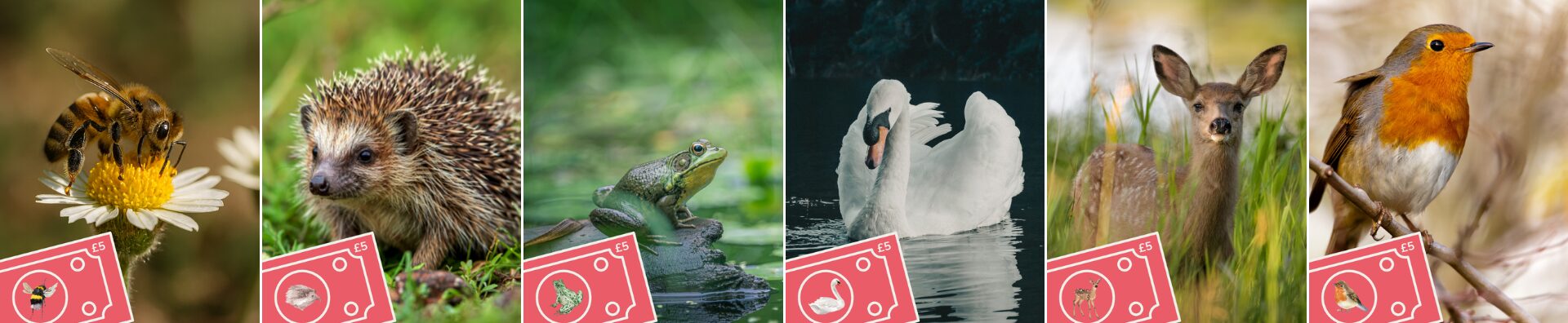
19 Mar Which wildlife will feature on new bank notes

Wildlife Set to Feature on the Next Bank of England Banknotes
Have you heard the news? Wildlife is set to feature on the next series of Bank of England banknotes.
The Bank of England has announced that its upcoming banknotes will celebrate the natural world, replacing the familiar historical figures seen on current notes. Here at 4Paws, we’re delighted by the news. As a team of nature lovers, we love the idea of Britain’s wildlife being recognised in such a visible and meaningful way.
Wildlife on banknotes
This change reflects a growing appreciation for nature and the important role it plays in the UK’s identity. Featuring wildlife on banknotes creates an opportunity to showcase beloved species and habitats, while also helping raise awareness of the importance of protecting them for future generations.
As something used by millions of people every day, banknotes offer a unique platform to highlight subjects that matter to the public. A wildlife theme feels fresh, relevant and meaningful, bringing together design, culture and conservation in a way that celebrates the natural world.
The new series is likely to spark plenty of interest, not only because of how it will look, but because of what it represents. By putting wildlife on currency, the Bank of England is recognising the value of the natural environment in a way that will be seen across the country every single day.
When will the wildlife banknotes be announced?
The Bank of England has confirmed that a second consultation will take place this summer. This will give the public a chance to share their views on which wildlife they would like to see featured on the next series of banknotes.
Other elements of nature, including plants and landscapes, may also form part of the final designs.
A shortlist of wildlife options will be drawn up by experts from across the UK and announced as part of the summer consultation, when the Bank will next invite public feedback.