


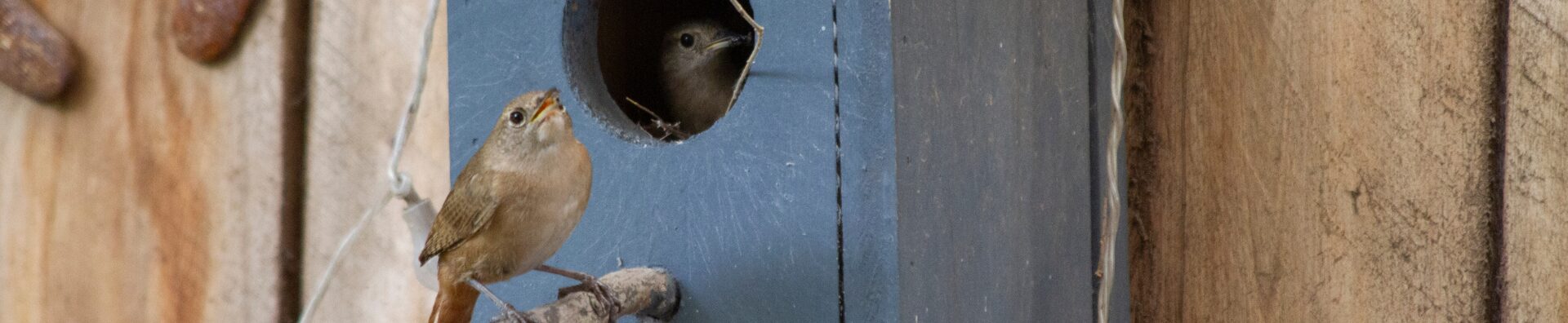
17 Feb National Nestbox Week

What Is National Nestbox Week?
As the weather starts to warm up and the days get a little longer, nature begins to wake up – and for our feathered friends, that means one thing: nesting season. That’s where National Nestbox Week comes in.
National Nestbox Week runs every year from 14 February and encourages people to put up more nest boxes to support the UK’s breeding birds.
National Nestbox Week and Why It Matters
You might be more familiar with the RSPB Big Garden Birdwatch, which usually takes place towards the end of January and reminds us to pause and notice the birds visiting our gardens.
National Nestbox Week has a similar spirit but puts the spotlight on breeding birds. It encourages everyone to:
- Put up nest boxes in gardens and local green spaces
- Make outdoor spaces safer and more welcoming for nesting birds
At 4Paws, we care about all animals – not just the ones who share our sofas – so this is the perfect moment to think about how we, and our pets, can live alongside nesting birds. And if you fancy reading about how you can help hedgehog this winter, we’ve got that covered too in our hedgehog winter guide.
When Is Bird Nesting Season?
In the UK, bird nesting season typically runs from March to August, with many species starting to pair up, build nests and lay eggs in early spring. Some may even begin as early as February if the weather is mild.
Common British garden birds that nest during this season include blackbirds, robins, starlings and blue tits, to name just a few.
During bird nesting season, birds are:
- Building nests in hedges, trees, shrubs, roofs, sheds and even hanging baskets
- Laying and incubating eggs
- Raising chicks, who depend entirely on their parents for warmth and food
Disturbing birds while they are nesting can cause parents to abandon the nest, leaving eggs or chicks vulnerable. That’s why it’s so important to be extra mindful of what we do in our gardens, local green spaces and on dog walks at this time of year.
How to Spot the Signs of Nesting Birds
You might not always see a nest directly, especially if it’s hidden in dense shrubs, but there are plenty of clues that birds are setting up home nearby:
- Birds repeatedly flying to and from the same spot with twigs, grass or feathers
- Increased twittering or calling from a hedge, tree or roofline
- Birds disappearing into thick shrubs, ivy or climbing plants
- Nesting activity in eaves, vents, roof tiles or outbuildings
If you notice these signs, it is a good idea to:
- Avoid pruning or cutting back that area
- Keep dogs on a lead nearby
- Give cats less access to that particular spot, where possible
Pets and Nesting Birds
Our pets share our outdoor spaces, so it’s natural to think about how they (mainly cats and dogs) might affect nesting birds – and what we can do to reduce any risk.
Dogs and Nesting Birds
Dogs are usually more curious than predatory with birds, but they can still cause unintentional disturbance:
- Stick to paths when walking through parks, nature reserves or farmland
- Use a lead in areas with ground-nesting birds (often signposted during breeding season)
- Encourage dogs not to crash through hedges or dense undergrowth where birds might be nesting
Cats and Nesting Birds
Cats are natural hunters, and birds – especially fledglings learning to fly – can be at risk. Some simple steps to help:
- Consider using quick-release collars with bells to give birds an early warning
- Keep cats indoors at dawn and dusk, when birds are particularly active
- Position bird feeders in places that are harder for cats to reach, e.g. away from fences and dense shrubs that can act as launch pads
These small adjustments can help protect vulnerable birds at a time when they need it most.
Garden-Friendly Tips for Supporting Nesting Birds
You don’t need a big garden to make a difference. From bird feeders to suitable nest boxes, small actions can make a huge difference to birds. Here are some garden-friendly tips to support nesting birds:
Go Gentle on the Pruning
- Avoid heavy cutting back of hedges, shrubs and trees during nesting season.
- If you must trim, check carefully for nests first and leave any active sites completely undisturbed.
Offer Safe Nesting Spaces
- Put up appropriate nest boxes for common garden birds (e.g. blue tits, sparrows, robins).
- Place them out of direct midday sun and away from easy predator access.
Provide Food and Water
- Offer suitable bird food and a shallow water source, especially in dry or very cold weather.
- Keep feeders and bird baths clean to reduce the spread of disease.
Let Your Garden Be a Little Wild
- A slightly “messy” corner with long grass, leaves and twigs can be brilliant for nesting material and insect life – which in turn feeds hungry chicks.
The Benefits of National Nestbox Week
National Nestbox Week is a great excuse to enjoy a bit of quiet birdwatching – from your window, garden bench or local park.
- Keep your distance from nests and use binoculars if you’d like a closer view.
- Remind children that nests, eggs and chicks must never be touched or moved.
Watching parents tirelessly flying back and forth with food, or seeing fledglings take their first clumsy flights, can be incredibly rewarding – and a great way to connect with nature.
National Nestbox Week is a chance to:
- Learn when and where birds nest
- Adjust how we garden and walk our pets
- Enjoy watching wildlife in a safe, respectful way
With a few thoughtful changes, we can make sure our gardens and green spaces are safe havens for birds – and our pets can still enjoy them too.