


20 Mar The ‘Doodle Dilemma’
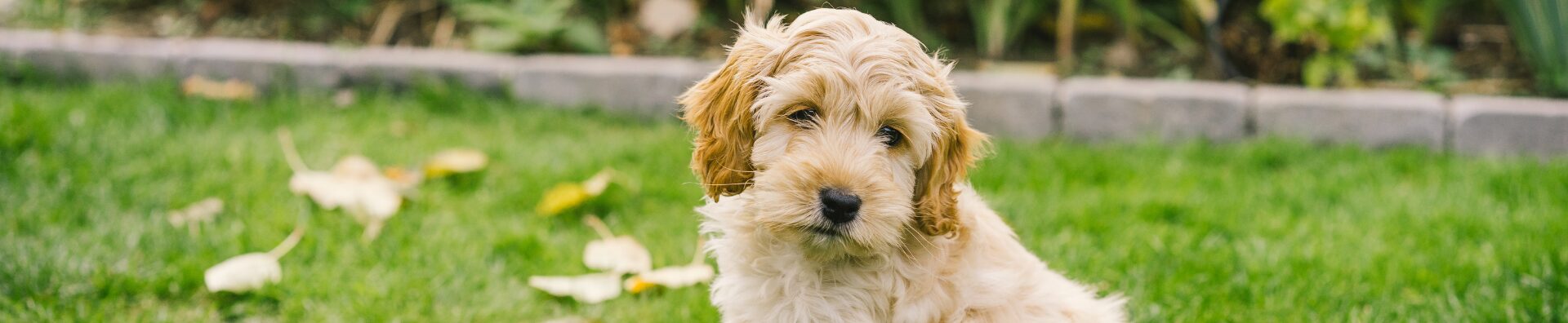
Designer dogs .
There’s been a lot of noise in the news recently – and if you’re a proud Cockapoo, Cavapoo or Labradoodle owner, you may have felt a twinge of concern reading it.
Reports (including coverage of a major UK study) suggest that so called ‘designer dogs’ – particularly Poodle crosses – may show more behavioural challenges than their pedigree parents.
Let’s take a look at what this really means, because – as always in pet insurance and pet care – the truth is more nuanced than the headlines.
What the research actually found
The study, led by the Royal Veterinary College and based on thousands of UK dogs, compared popular crossbreeds like Cockapoos, Cavapoos and Labradoodles with their parent breeds. Here’s what stood out.
- The crossbreeds had higher levels of certain behaviours including: Excitability, fear (e.g. traffic, strangers, noises), separation anxiety and some forms of aggression.
- Cockapoos in particular scored worse than both Poodles and Cocker Spaniels across multiple behaviour measures.
- Cavapoos showed similar patterns, performing worse than their parent breeds on several scales.
- Labradoodles were more mixed – better than Poodles in some areas, but less steady than Labradors.
At face value, it challenges a long-standing belief that crossbreeds automatically combine ‘the best of both worlds.’
But here’s what the headlines don’t tell you
At 4Paws, we live and breathe all things ‘pet’ and we’re of the opinion that behaviour isn’t just about breed. It’s about life experience. Even the researchers themselves emphasised that behaviour is shaped by environment and training, not genetics alone and that owner expectations and experience play a huge role.
So, what’s really going on?
The real drivers behind ‘problem behaviour…
1. The expectation gap
Designer dogs have been marketed as hypoallergenic, easy to train, perfect family pets. But when reality doesn’t match expectation, normal dog behaviours can feel more like ‘problems.’ Many owners choose these breeds based on assumptions that aren’t always accurate.
2. First-time owners
Studies suggest doodle owners are more likely to be new to dog ownership. This matters because it may mean training is inconsistent, early socialisation may be missed and behavioural issues can escalate unintentionally.
3. The ‘small dog effect’
Many Poodle mixes use miniature or toy Poodles. Whilst these pint size pups are adorable, smaller dogs are statistically more prone to fear-based behaviours, they are more reactive and more vocal.
4. Breeding practices
The popularity boom in Poodle mix breeds has created a surge in demand. This surge can lead to poorer breeding standards, puppies separated too early from their mother and limited early life socialisation. All of these can impact behavioural tendencies later in life.
5. Health and behaviour are linked
Some crossbreeds show higher rates of issues such as ear infections and skin conditions. This can manifest itself as irritability, anxiety and can cause them to be reactive.
So… should you avoid designer dogs?
Absolutely not.
Let’s be clear, there is no such thing as a ‘bad breed’ – only unmet needs. Every dog, whether pedigree, crossbreed or rescue has the potential to be calm, happy and well adjusted to their forever home. With the right training, in the right environment and with a bit of patience, all dogs deserve the chance to thrive.
What responsible pet parenting really looks like
At 4Paws, we believe informed owners make the happiest pets. If you’re considering a Poodle cross (or already have one), one of the key areas to focus on is early socialisation. Expose your dog safely to people, different sounds and new environments.
Consistent training and positive reinforcement is key – especially early on. Check out our blog all about training your new pet.
If you’ve decided to take the plunge and get a Poodle mix breed, make sure you choose the right breeder. Always meet the puppy with its mother. Ask about health and temperament and always avoid ‘click and collect’ setups.
It’s not about the breed—it’s about the bond
Designer dogs didn’t suddenly become ‘problematic’ overnight.
What’s changed is:
- Our expectations
- How we choose dogs
- How we raise them
Dogs aren’t products. They’re individuals. They have their own temperament, their own personalities, their own intelligence and their own quirks. If you’re getting a dog, choose for the reality, not the reputation. Your future self – and your dog – will thank you for it.
Disclaimer: This blog is for general information only and does not constitute veterinary, behavioural or legal advice. While care has been taken to ensure the information is accurate at the time of publication, research, guidance and individual circumstances may vary. Owners should seek advice from their vet or a qualified behaviour professional where needed.